
What We Grow
About
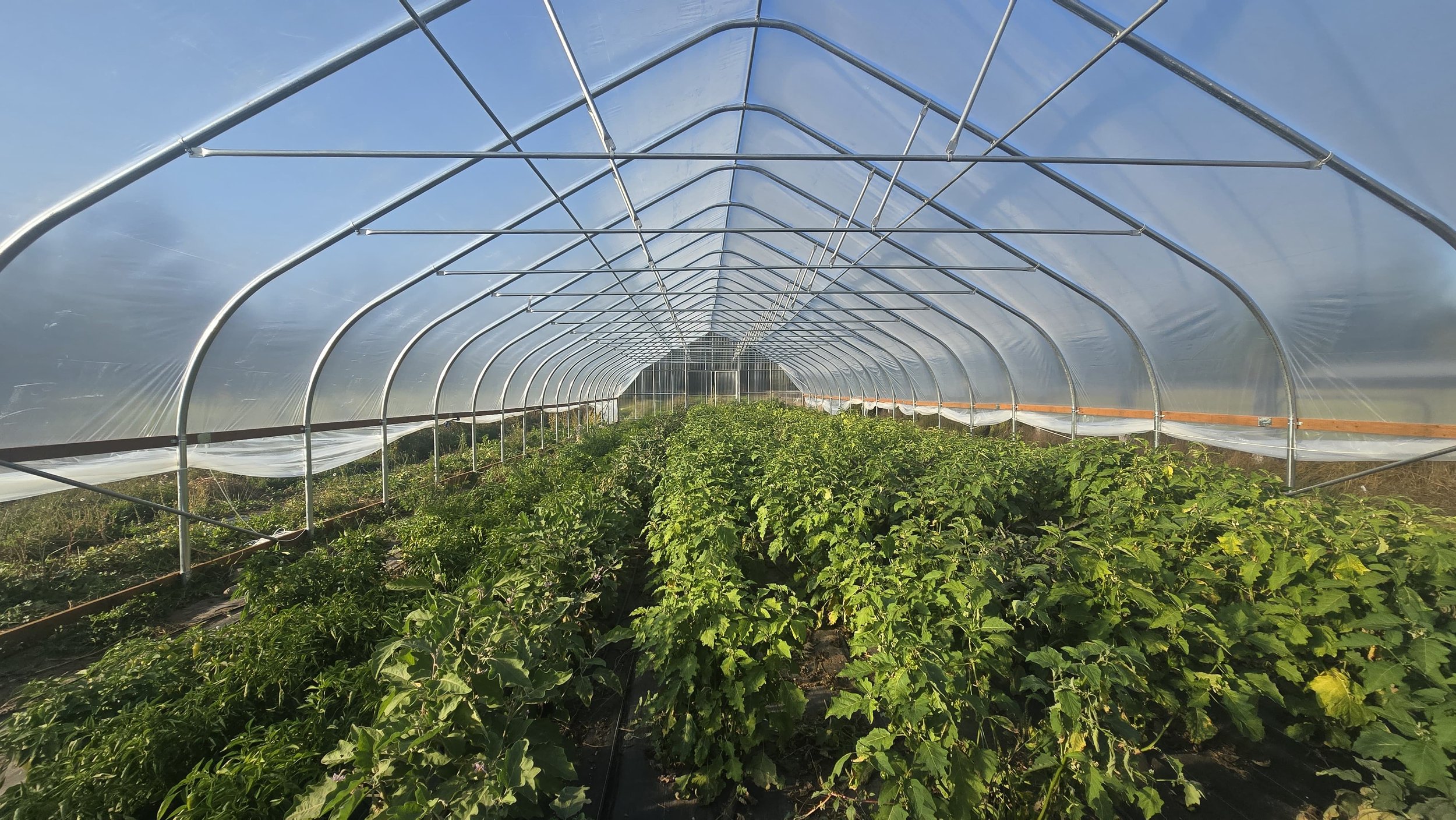
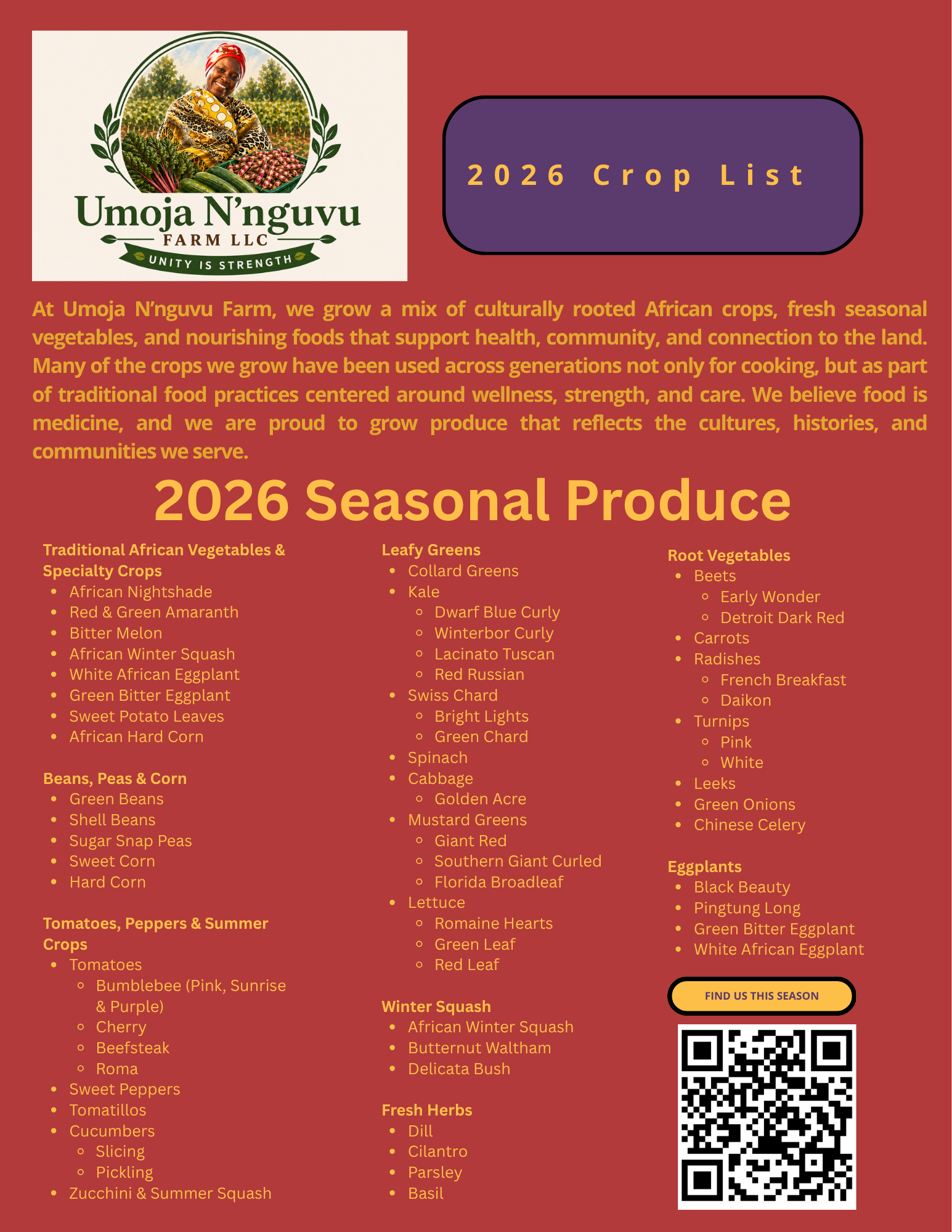
Umoja N’nguvu Farm grows a diverse range of culturally rooted crops that reflect community, tradition, and nourishment. Each season, Beatrice focuses on produce that is meaningful to the health of the communities she serves.
We grow food for everyone.
We grow a variety of crops from different cultures so that everyone can find something familiar and nourishing.
Many of these foods have been used for generations—not just for eating, but for supporting health, strength, and community.
This is part of what we mean when we say: food is medicine.
We also grow traditional and culturally important crops like:
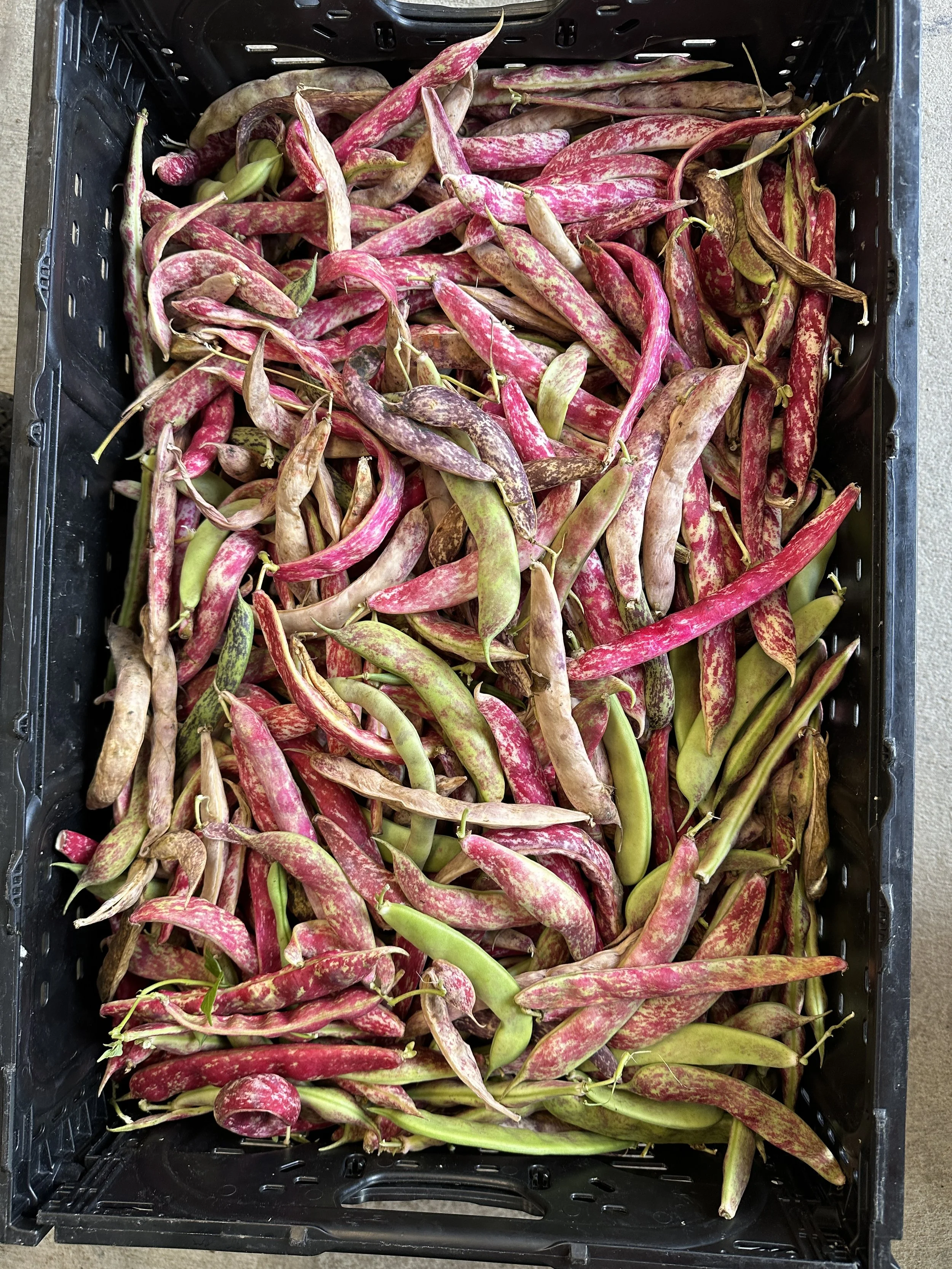
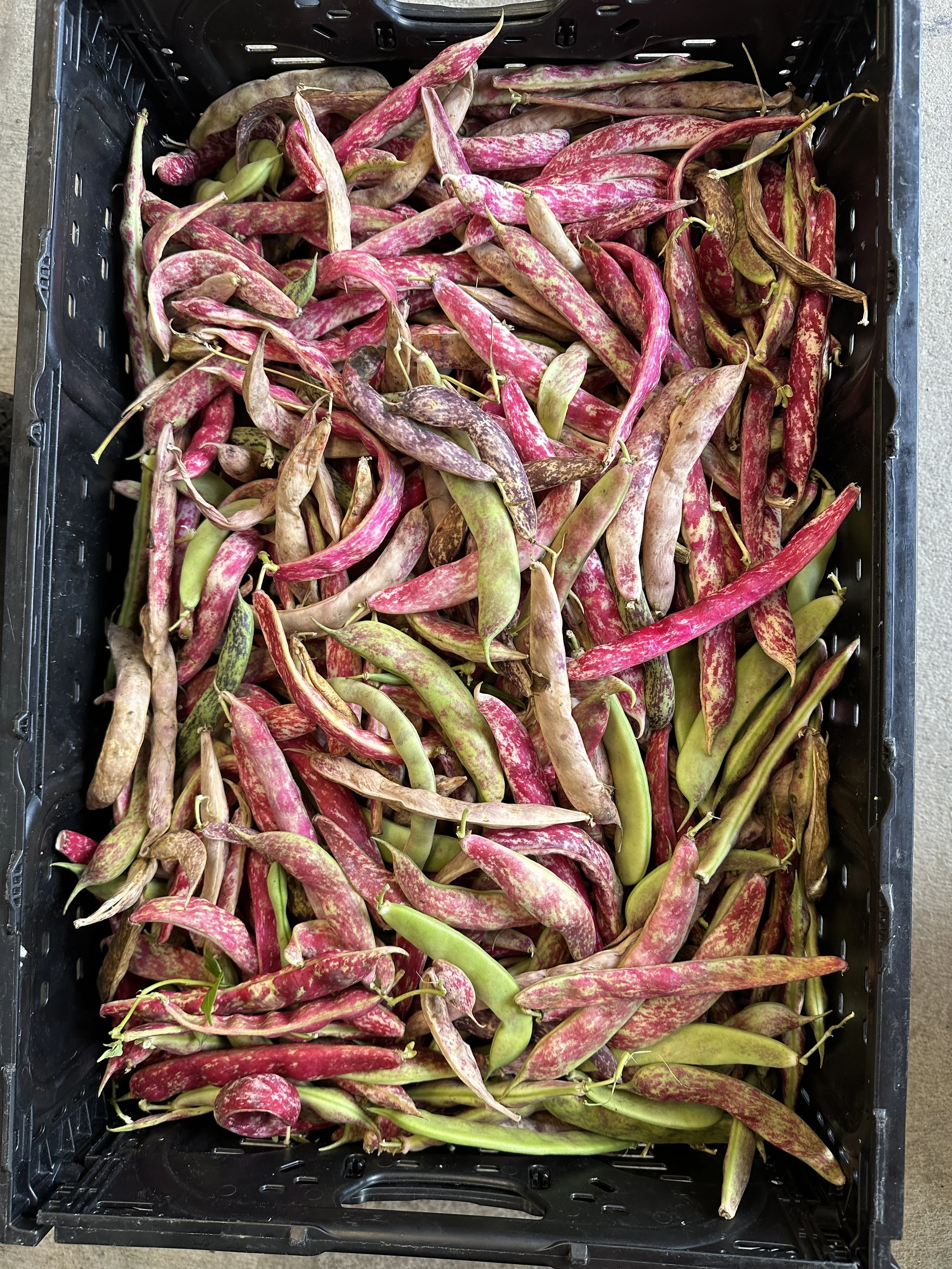
Dragon Tongue Beans
A striking red and white bean variety known for its beauty and flavor. Dragon Tongue beans are a favorite for fresh eating and cooking, and hold deep meaning in Beatrice’s farming journey — with seeds shared across farming communities and even sent back home to Burundi.
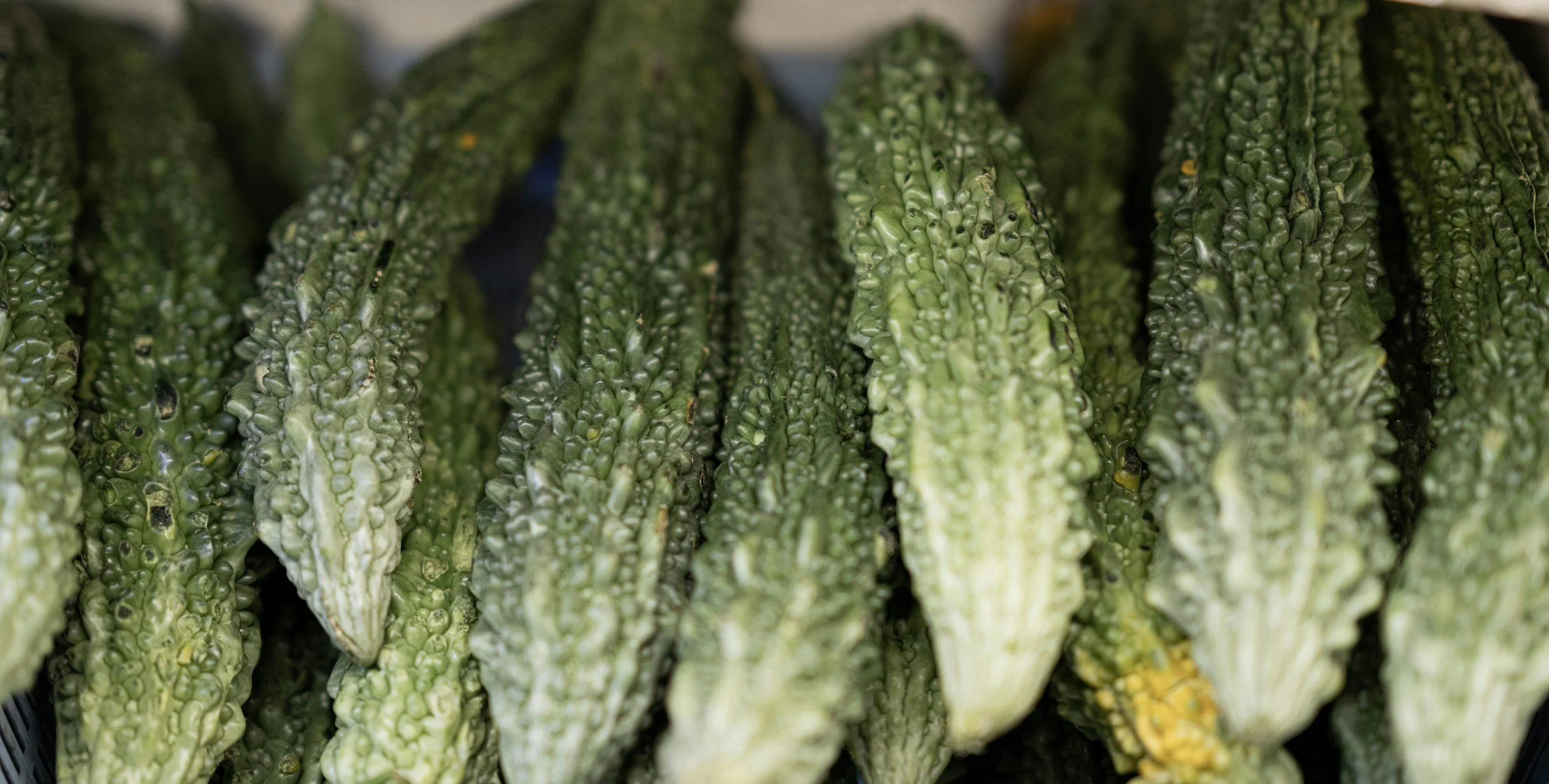
Bitter Melon
A traditional medicinal vegetable used in many cultures. Known for its strong, bitter taste, it is commonly used in cooking and herbal practices.
Traditionally used to support blood sugar balance, supports digestion and rich in antioxidants
Bitter foods are often used to help the body reset and restore balance.
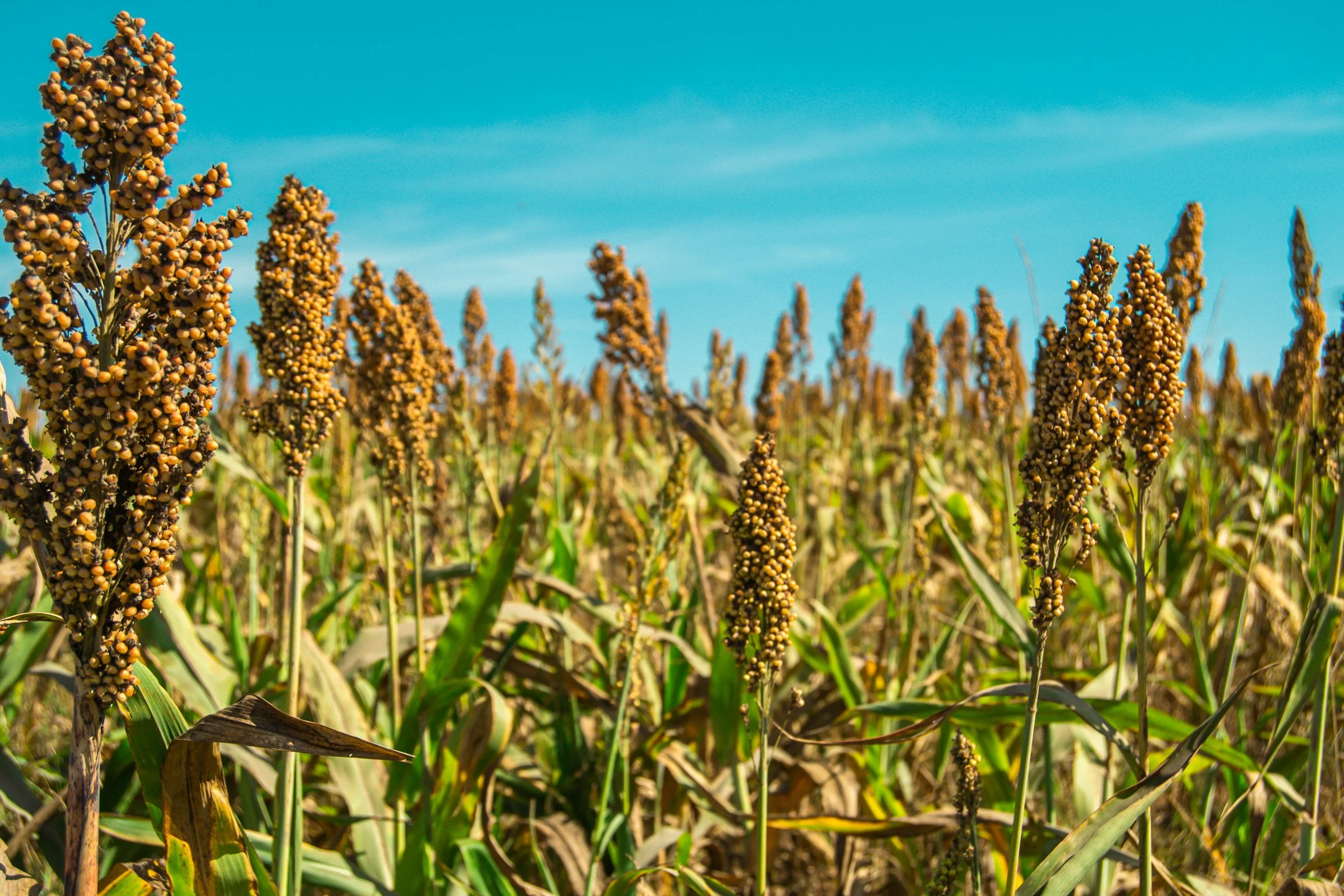
Sorghum
A drought-resistant grain that has been grown for generations. It is used to make flour, porridge, and other staple foods.
Sorghum is a gluten-free grain, high in fiber and supports long-lasting energy
Sorghum is valued for its resilience and its ability to nourish communities over time.
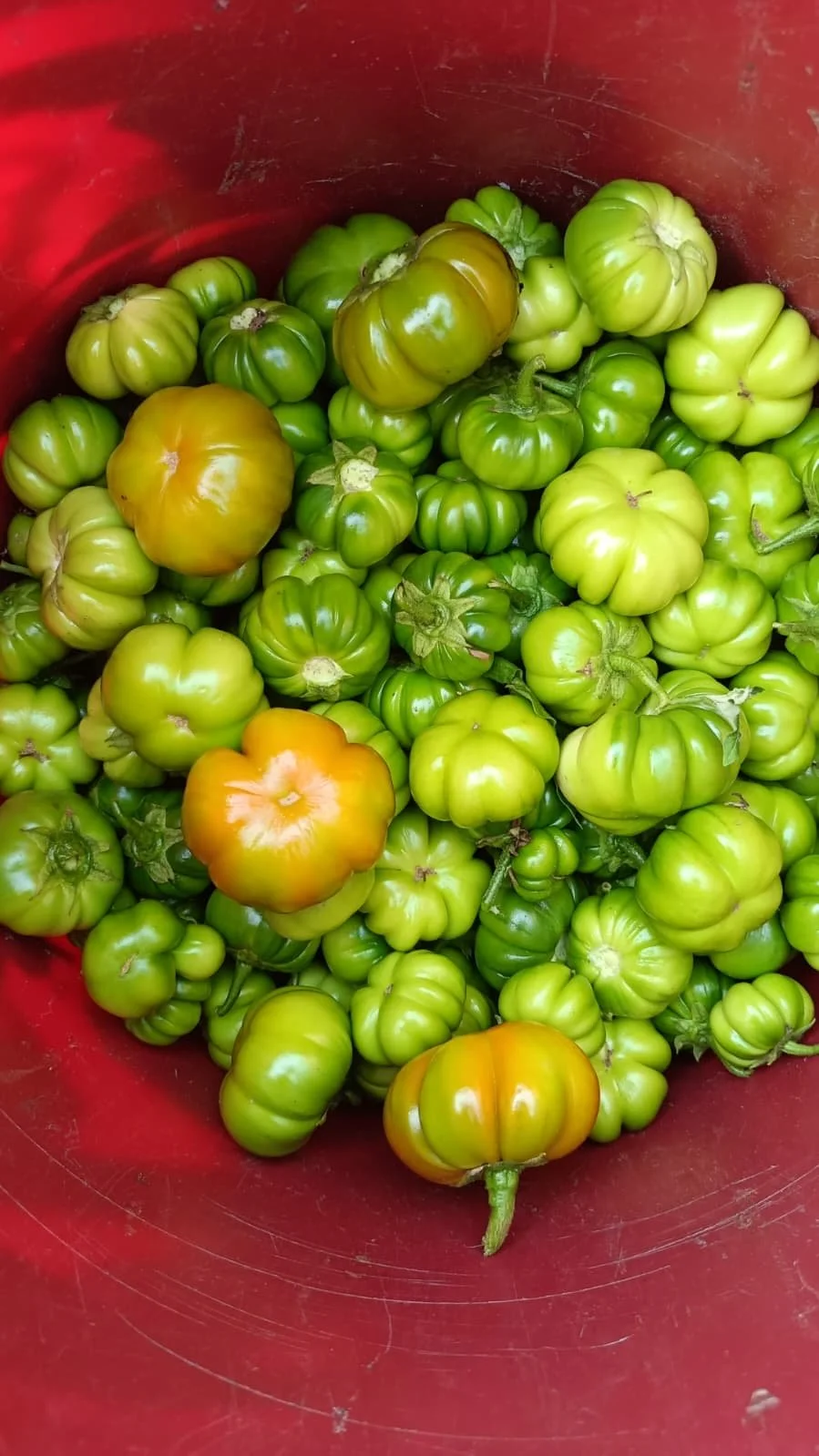
African Eggplant
A small, flavorful eggplant used in a variety of traditional dishes. It is known for its slightly bitter taste and firm texture. It supports digestion, contains fiber and antioxidants and adds depth and nutrition to meals
This is a staple crop in many communities and an important part of everyday nourishment.
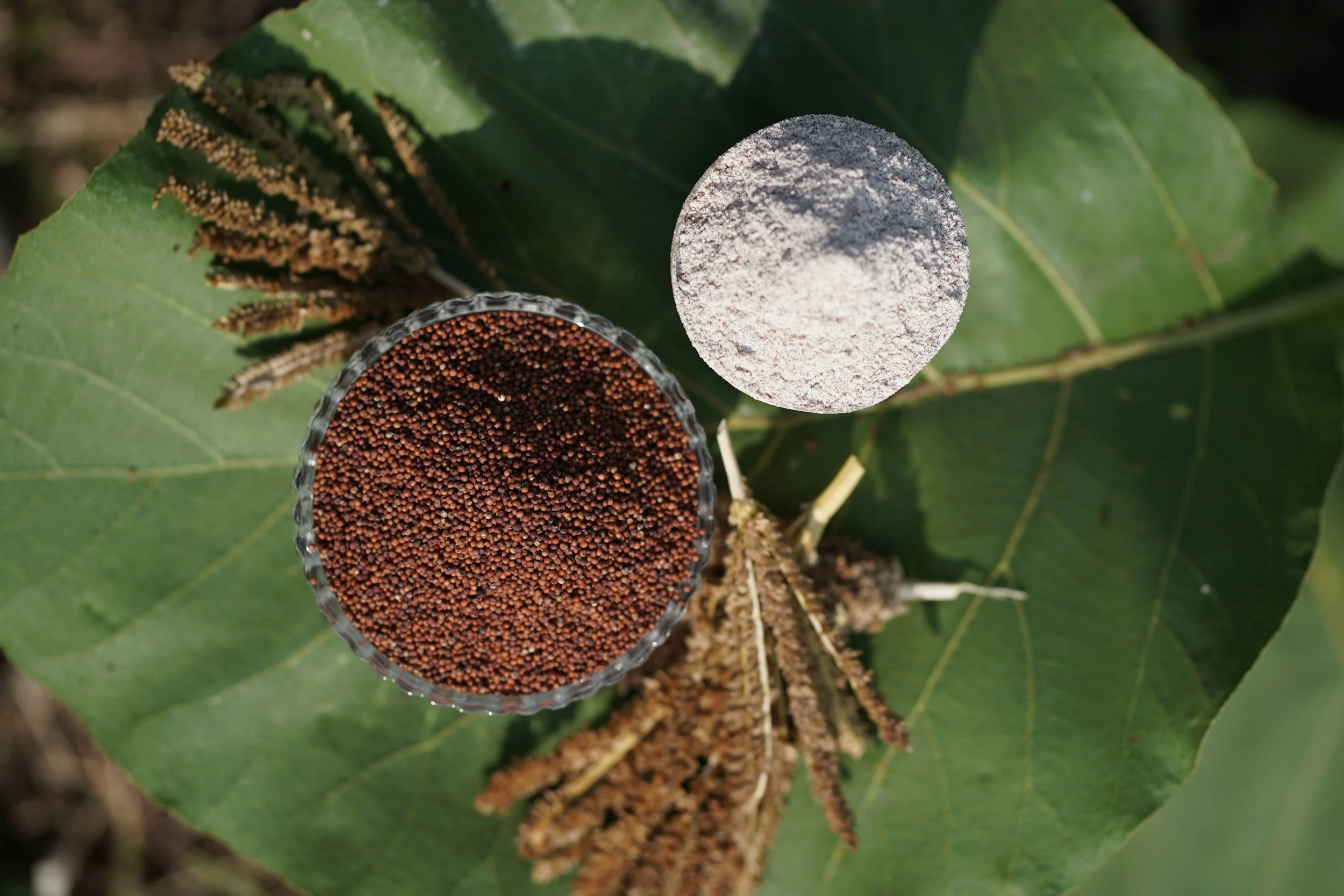
Finger Millet
A small but powerful grain traditionally used in porridge and flour. It is widely grown and consumed across many regions.
Millet is high in calcium, supports bone health and is easy to digest
Millet is often used as a foundational food that supports both children and adults.
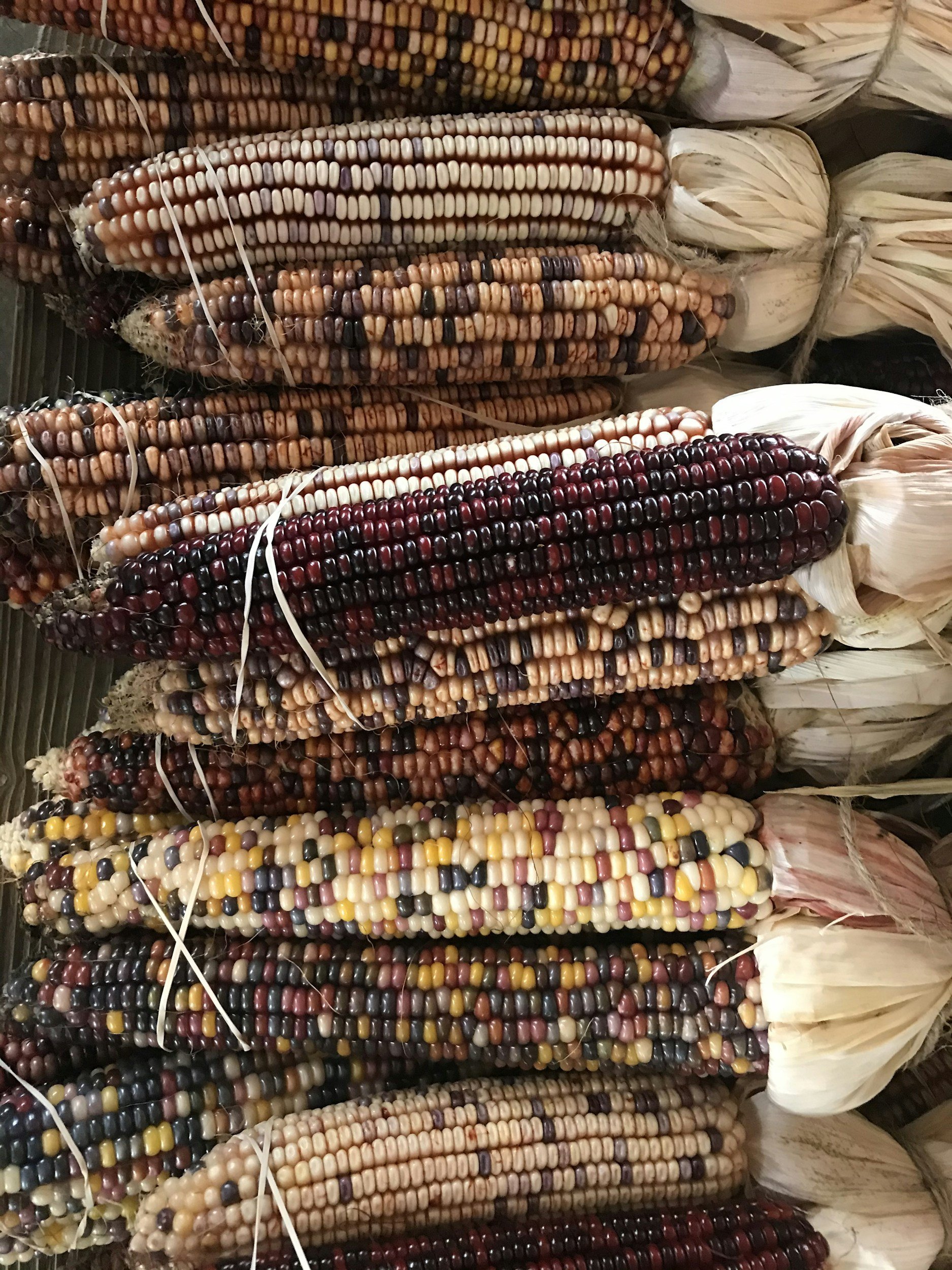
African Hard Corn
A traditional variety of corn grown for its strength, flavor, and versatility. Unlike sweet corn, this type is used for milling into flour, porridge, and other staple foods across many African cultures.
This corn is commonly used to make staple foods such as porridge, flour, and traditional dishes. It stores well and supports long-term food security, which is why it has been grown and passed down for generations.
In many communities, foods like hard corn are part of daily nourishment that keeps people strong. When combined with other whole foods, they help support digestion, energy, and overall well-being.
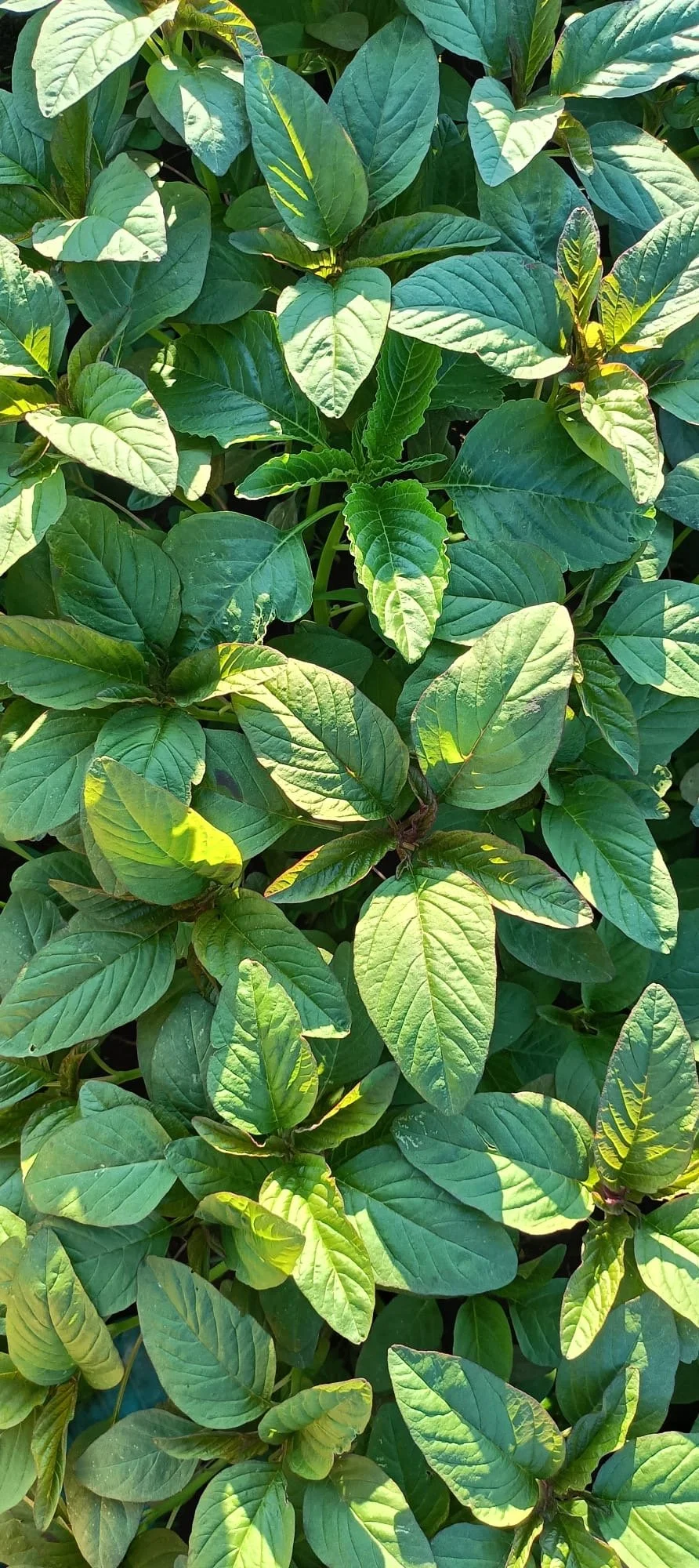
Amaranth
A highly nutritious leafy green widely used in East African and global cuisines. Amaranth grows abundantly and is valued for both its flavor and its role in culturally relevant meals.
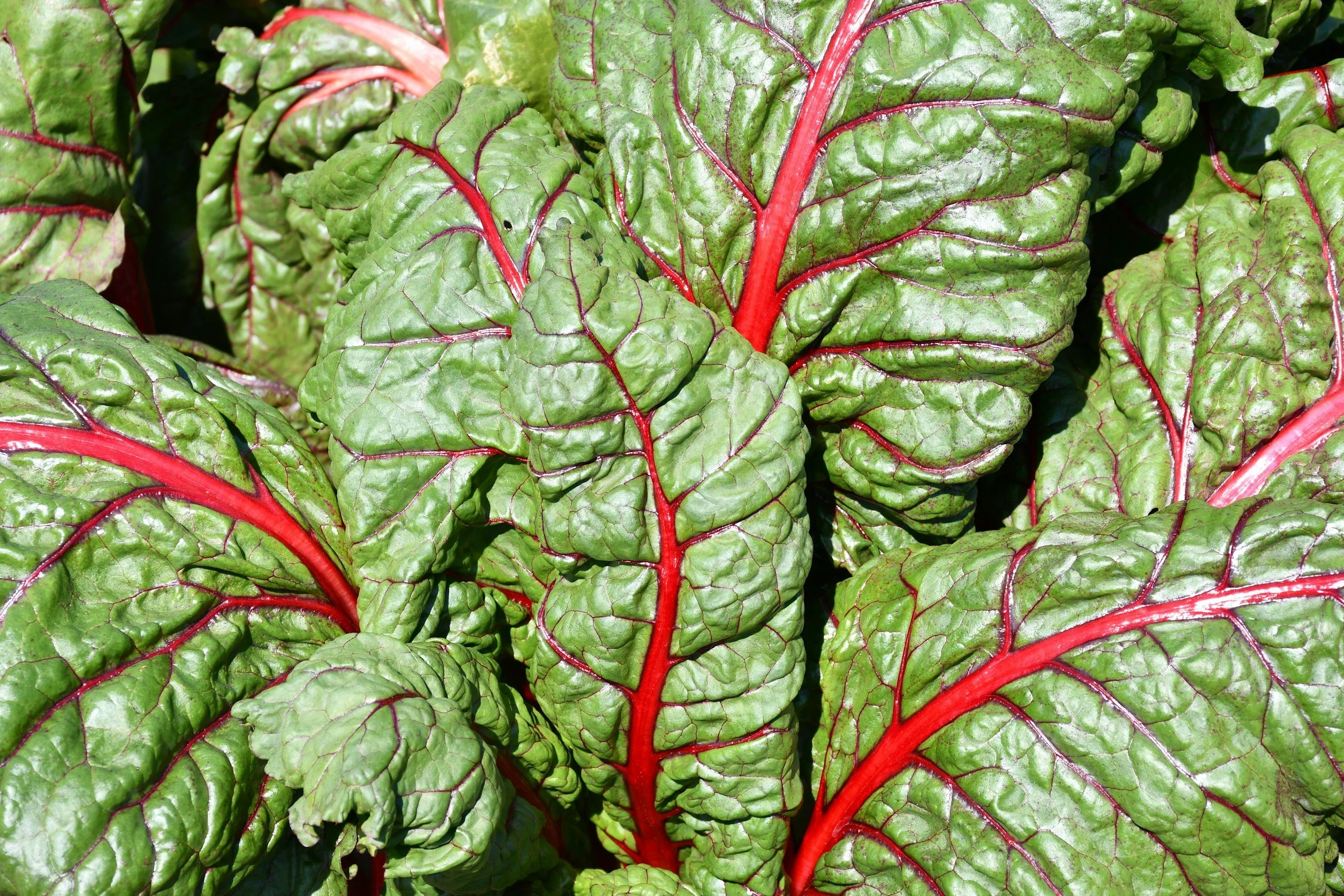
Swiss Chard
Vibrant, nutrient-rich greens that thrive in Washington’s growing conditions. Swiss chard brings color and versatility to the table and is a staple across many communities.
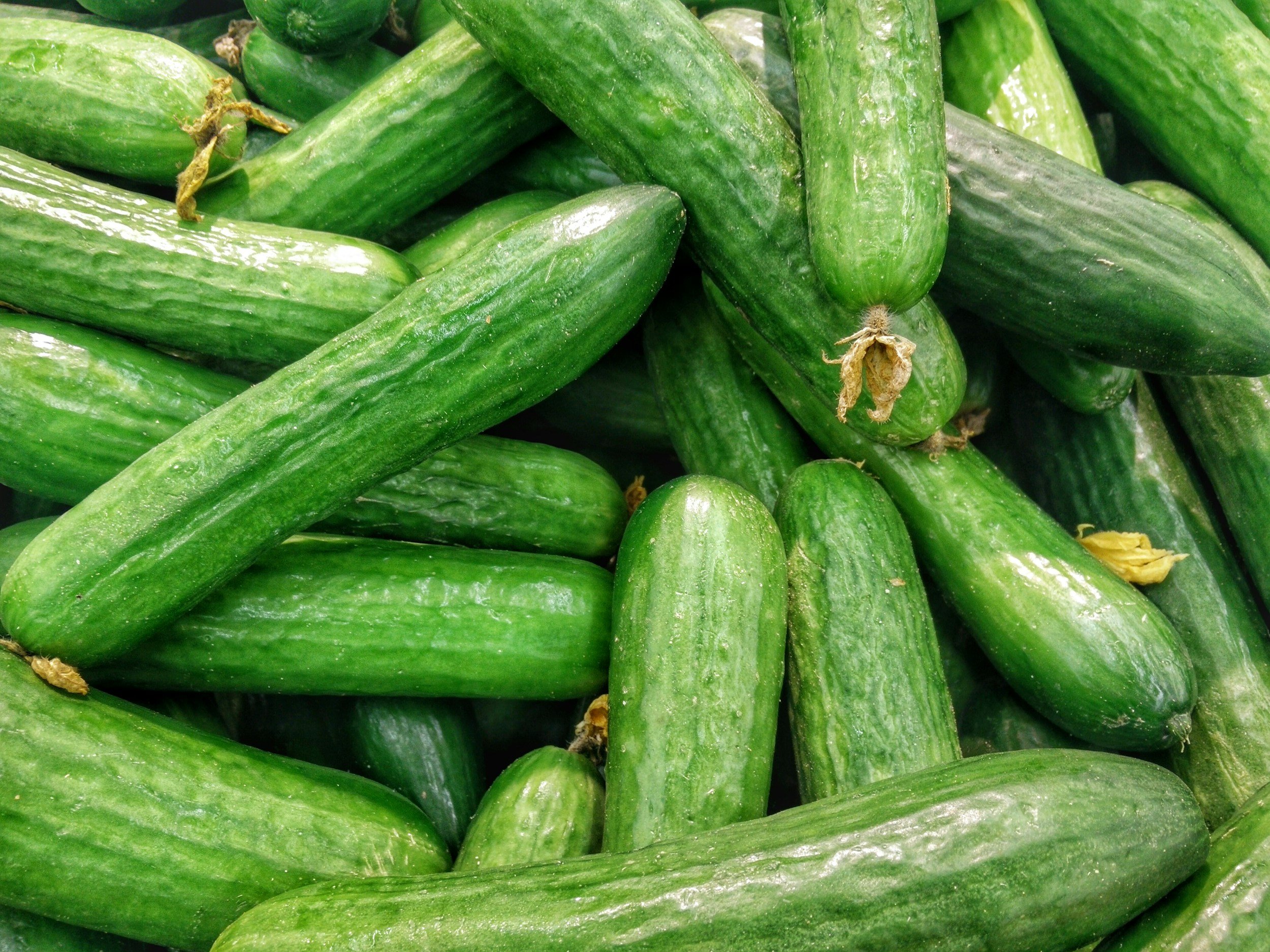
Cucumbers
Fresh, crisp cucumbers grown for local markets and community distribution — perfect for salads, pickling, and everyday meals and is one of Beatrice’s favorite on the go snacks.
Where Our Food Is Grown
Click here to email to coordinate a visit or pick up produce directly from Umoja N’nguvu Heritage Farm site.
When emailing, please include:
What you’d like and the preferred pickup day.
This season, Beatrice is growing across multiple sites in Washington State, including:
• Heritage Farm in Kent, Washington
• Umoja N’nguvu Farm Enumclaw
Each location supports the growth of fresh, culturally meaningful produce for local communities.
We are currently working toward establishing a long-term farm site in South King County.
WHY WE GROW THIS WAY
We grow using 100% organic practices—using water, compost, and natural inputs to support healthy soil and healthy food.
Farming is a journey.
Every year, we try new crops, learn new methods, and continue growing our knowledge.
This farm is not just about producing food—it is about learning, sharing, and growing together.
LEARNING + COMMUNITY
My goal is to learn from others and also teach others.
If someone wants to learn how food grows, they are welcome here.
If someone has knowledge to share, I am always open to learning.
This farm is a place of exchange—of knowledge, culture, and community.
Why This Food Matters
The crops grown at Umoja N’nguvu Farm are more than food — they are connection, culture, and care. By growing produce that reflects the traditions of immigrant and refugee communities, Beatrice helps ensure that families have access to the foods they know, love, and grew up with.